Psycho-Cybernetics and Identity
Design & Brands
Over years of consulting, I have noticed something strange, and I have never quite known what to do with it.
Sometimes, when I meet a client, I have a near instant vision for what they could become. They ask for a new this, a refreshed that, a small tactical something. And in the first meeting, or somewhere in the research, I see the bigger idea emerging from the initial spark. So I go to work on it. Carefully, patiently, I build the architecture: the pieces of the puzzle, placed one by one until they hold together and mean something.
Initially, they love the work. The design is praised, the boards circulate and it goes into production. But nothing shifts. The business carries on exactly as it was.
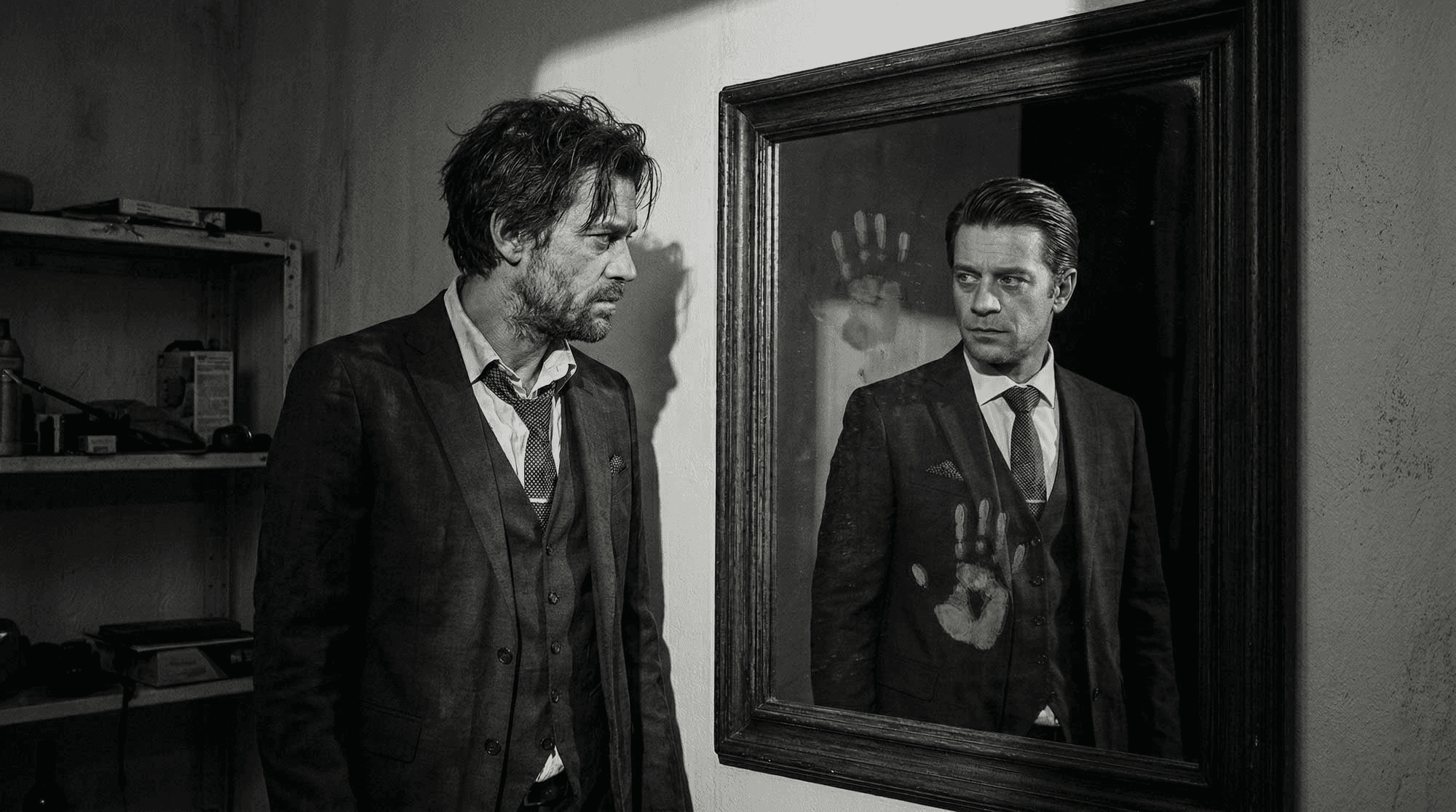
Then, some months or a year later, something changes. The identity starts to shift the culture. They begin to see themselves as the company the brand vision describes, rather than the one they were when we started. The reflection in the mirror has quietly rewritten the person standing in front of it.
And here is the strange part. When the shift has fully landed, they are convinced it's down to their own magnificence. Some even conclude, and I have watched this happen, that they have outgrown the person who built the image that they now hold true. We are amazing. Let's loosen Michael's grip and bring in the big boys.
Perhaps that is the nature of the work. Maxwell Maltz, the plastic surgeon, noticed that his patients often had expectations that were not satisfied by the surgery. If a person's self-image remained unchanged, no operation altered how they felt about their appearance. The identity work I do has the same mechanism, except it goes the other way. Instead of failing to match an unchanged self-image, the new identity gradually rewrites it, from the outside in.
The identity is the mirror. The work is invisible. And when it has succeeded completely, the last thing anyone remembers is the smoke behind the mirror. Hidden persuaders indeed.