
No items found.
Luxury as a Vital Act of Self Care and Social Good
Luxury is usually defined as a state of great comfort marked by high cost and scarcity, and while that can be true, it can be more broadly defined as an expression of care towards the self, a vital human need.
This could take the form of a moment of pause, a morning off to go for a walk, or the act of cooking a beautiful meal during a time of strife. Viewing luxury as something we all need shifts the focus towards our idea of what luxury means to us. It need not mean mindless, status-led consumption. It could mean acquiring products that are made with care and skill, that last longer, perform better and ultimately require us to buy less.
Luxury is democratic in the sense that it benefits everyone. Economic data frequently highlights a phenomenon known as the chocolate index, or the lipstick effect, where sales of small, affordable luxuries actually increase during periods of financial downturn. This suggests that during times of strife, the human need for a moment of indulgence and care becomes even more pronounced. For some, it could be a monthly slab of chocolate that soothes a weary body and mind.
Another great luxury is art. Choosing an artwork that was made as a labour of love can offer deep meaning and inspiration. Such a choice avoids the need to buy cheap prints that are mass manufactured and include AI-generated artwork. It is an argument against junk food for the mind and spirit. By supporting artists or buying quality goods, people are voting for quiet luxury based on timeless values.
This brings me to the luxury of choice. The purchase decisions we make are votes for the kind of world we want to live in. Every choice matters because they add up fast. If a takeaway bag is thrown out of a car window, many others will do the same. If cheap, generated artworks are chosen, it erodes the production of the very art that these digital systems feed upon. These choices determine who gets the money and what is seen more of.
As a designer, I consider the full lifecycle of what is made. By selling ideas, I am engaging in and am responsible for the net effect of what is produced from them.
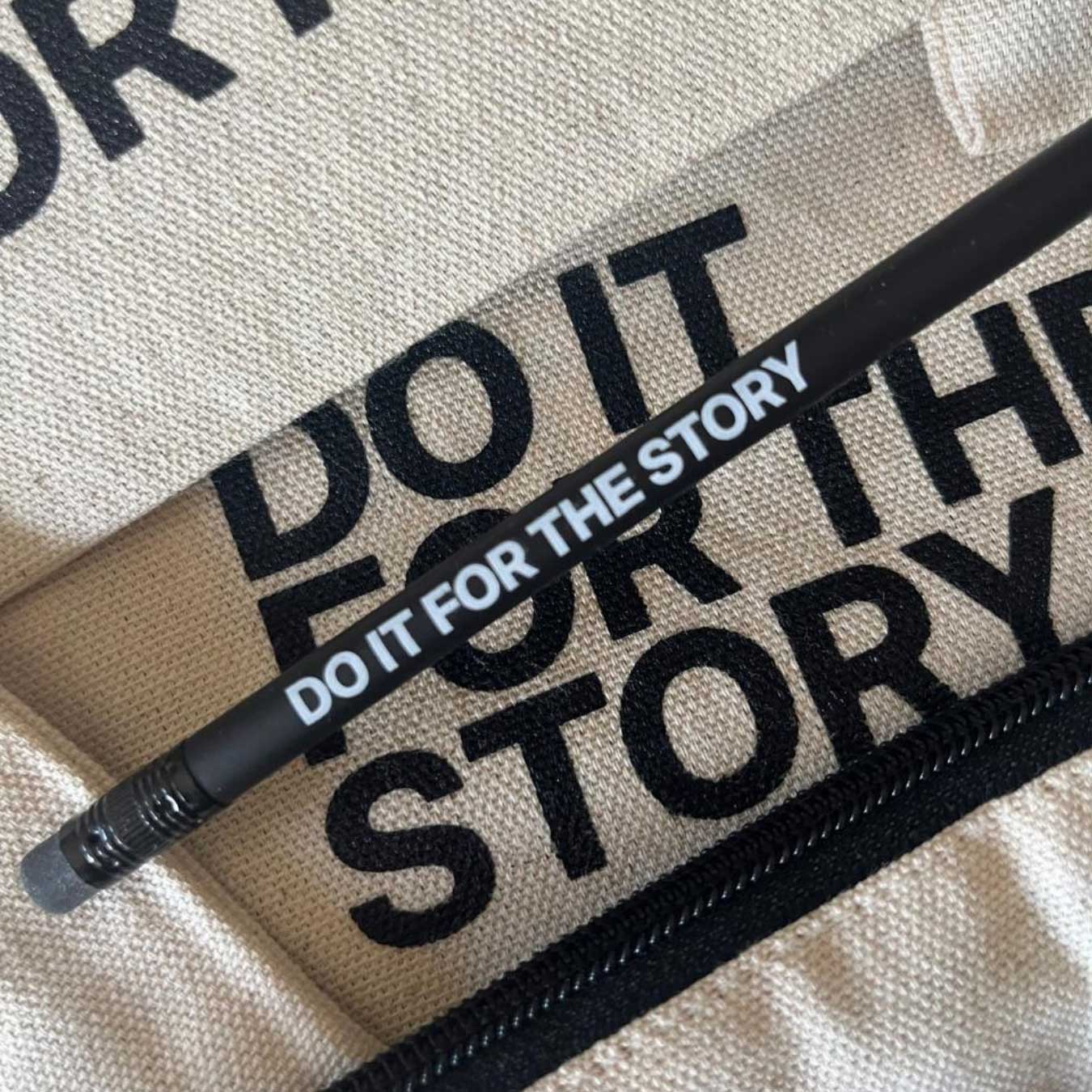
A current trend towards handmade and homemade items represents a return to the analogue and a celebration of human agency. Enzo Mari, the Italian modernist artist and designer, believed that the designer should also be the producer. He advocated for a philosophy where the designer acts as the producer, most notably through his work providing blueprints for people to construct furniture from basic timber. This involves supporting independent crafters, art fairs and small-scale producers who maintain traditional skills.
Cape Town is a city that already celebrates analogue cultural production through its vibrant markets, independent thrift stores and heritage producers. The popularity of this trend ensures that luxury remains a meaningful, accessible expression of care. It is a way to ensure that the things people own reflect a world built on skill, durability and a genuine respect for the creative process.
Subscribe by clicking below to receive new Substack articles when they are posted.
